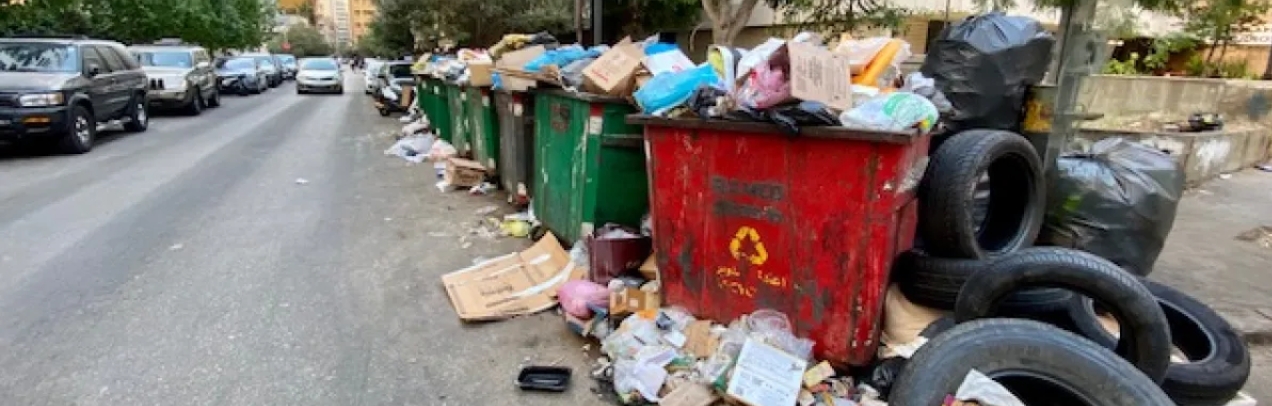
As displacement continues across Lebanon, municipalities and shelters are facing growing environmental pressure alongside the humanitarian crisis. Overcrowded schools, temporary shelters, and public spaces are generating large amounts of waste while local systems already struggle with limited resources, damaged infrastructure, and irregular collection services. Without immediate action, unmanaged waste can quickly turn into a public health threat, contaminating water sources, attracting insects and rodents, and worsening living conditions for displaced families.
Today, the challenge is not about building perfect systems. It is about applying simple, realistic environmental solutions that can protect communities under emergency conditions.
One of the most effective actions municipalities and shelters can take immediately is introducing basic waste segregation. Separating organic waste, recyclables, and residual waste using labeled bags or containers helps reduce contamination and significantly decreases the volume of waste requiring disposal. Small organizational measures inside shelters can significantly improve hygiene and reduce waste accumulation.
Food planning and waste reduction are equally important during displacement crises. Organizing meal distribution carefully, preparing only needed quantities, and encouraging the use of reusable items can help reduce unnecessary waste in overcrowded shelters. At the same time, the daily removal of organic waste and the use of covered bins are essential to prevent insects, rodents, odors, and unsanitary conditions.
At the same time, municipalities can establish temporary collection points in accessible locations to prevent garbage from piling up near shelters and residential areas. Fixed collection schedules, even if limited, help reduce open dumping and unsafe disposal practices that often increase during crises.
Another urgent issue is the open burning of waste. While some communities resort to burning because of collection disruptions, this practice releases toxic pollutants and creates serious health risks, especially for children and elderly people living in crowded shelters. Temporary storage, organized collection, and partnerships with local recyclers are safer and more sustainable alternatives.
Community participation also plays a major role. Environmental committees formed by volunteers and displaced residents can support cleaning efforts, monitor waste disposal, and spread awareness inside shelters. In emergency situations, involving communities directly often makes environmental responses more effective and sustainable.
Lebanon’s displacement crisis is also an environmental crisis. Yet even under difficult conditions, practical and low-cost actions can make a meaningful difference. With coordination between municipalities, humanitarian organizations, and communities themselves, waste management can become part of protecting public health, dignity, and resilience during emergencies.
References:
World Health Organization (WHO) – Health-care Waste
UNHCR – Guidelines for the Safe Disposal of Solid Waste in Humanitarian Contexts
UNEP – Sustainable Debris Management
UNEP/OCHA – Disaster Waste Management Guidelines
WHO – Environmental Health in Emergencies
UNHCR – WASH in Emergencies
WHO – Safe Management of Wastes from Health-care Activities
via Donatello 5 B