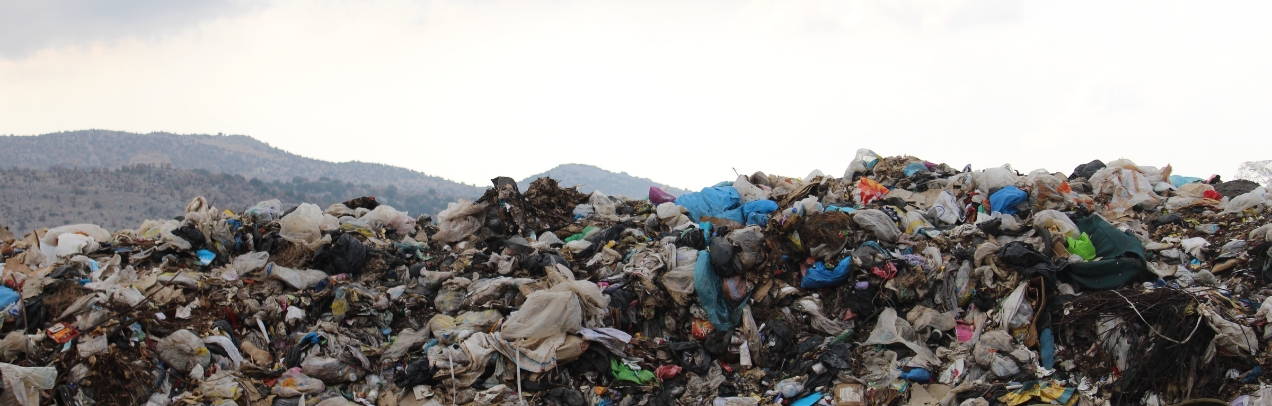
Armed conflicts generate what is internationally defined as “disaster and conflict waste”, a complex mix of debris, household waste, hazardous materials, and emergency-related byproducts that emerge both during and after crises as result from poor waste management.
Across conflict-affected regions, research consistently shows that solid waste management (SWM) systems are among the most severely impacted public services. Infrastructure damage, institutional breakdown, and restricted mobility disrupt the entire waste chain, from collection to disposal.
Beyond municipal waste, conflicts generate massive volumes of construction and demolition debris, often containing hazardous materials such as asbestos, heavy metals, and unexploded ordnance, posing long-term environmental and health risks.
Across contexts, three patterns consistently emerge:
These impacts highlight that waste is not a secondary issue in conflict, it is a multiplier of vulnerability.
In Lebanon, the war of 2026 has not created a waste crisis from scratch, it has intensified an already fragile system.
Even before the escalation, Lebanon’s SWM sector faced structural challenges: limited infrastructure, weak governance, and reliance on landfills and informal practices. Conflict has amplified these weaknesses.
Recent developments show that:
In many areas, waste is increasingly managed through informal or emergency solutions, including open dumping and burning, further exacerbating environmental and public health risks.
The consequences are not only environmental:
In fragile contexts like Lebanon, where health systems and public services are already under strain, these risks are significantly amplified.
In Lebanon today, addressing waste is not about ideal systems, it is about maintaining minimum functionality, supporting municipalities, and equipping communities with practical, realistic solutions.
Because recovery does not begin when the war ends.
It begins with how we manage the invisible impacts, like waste, during it.
References
via Donatello 5 B